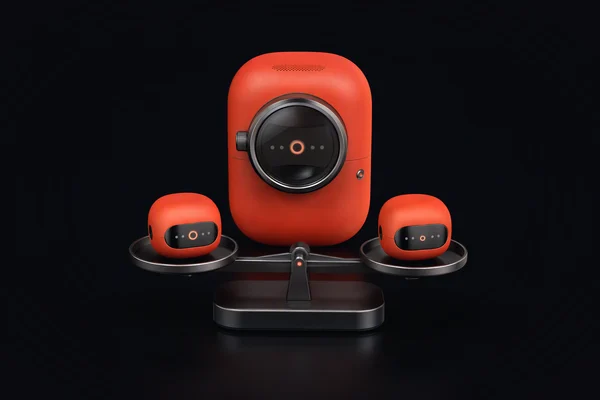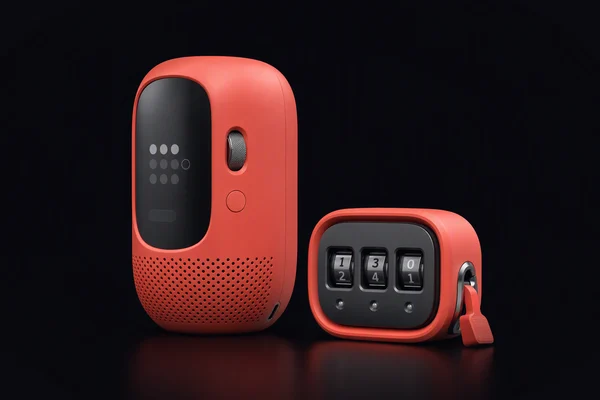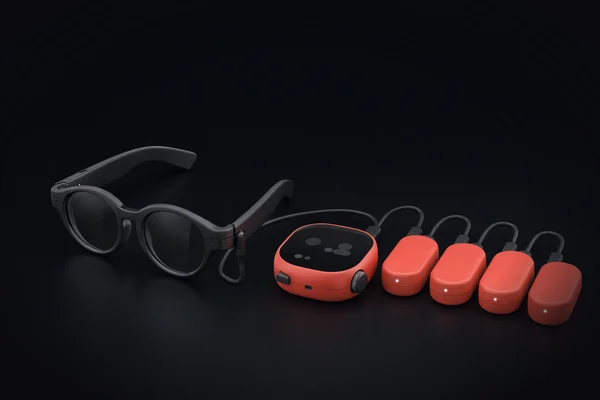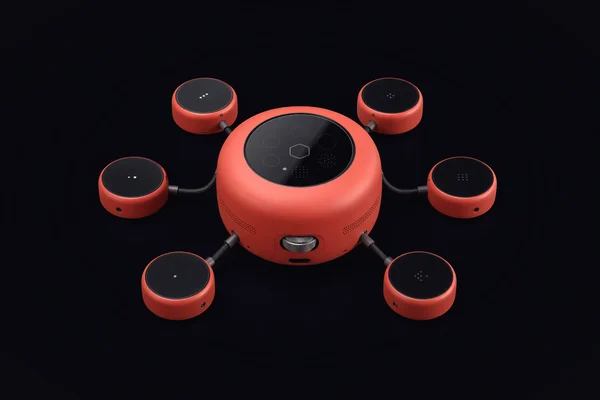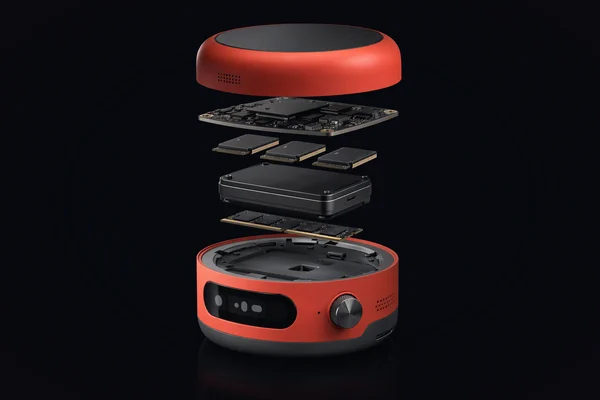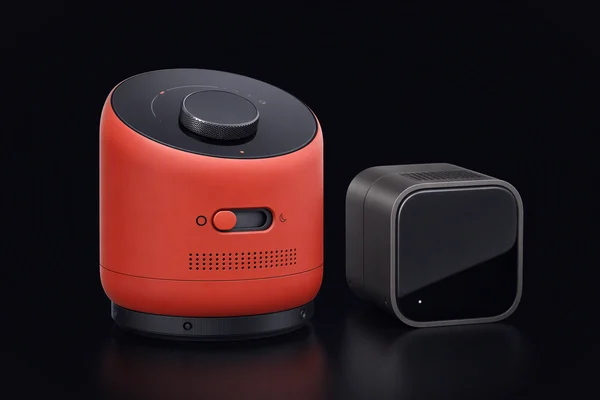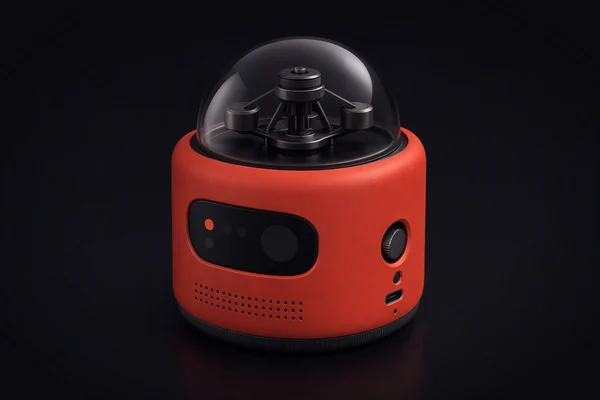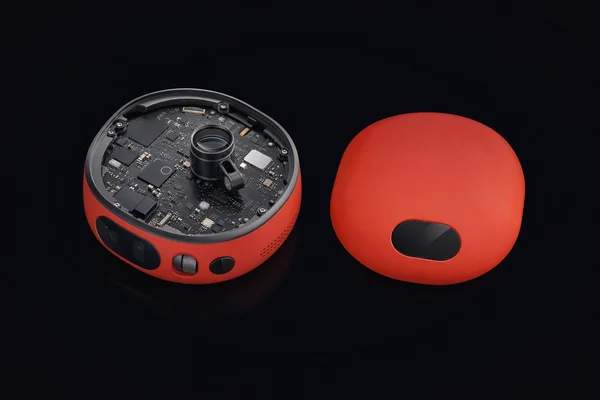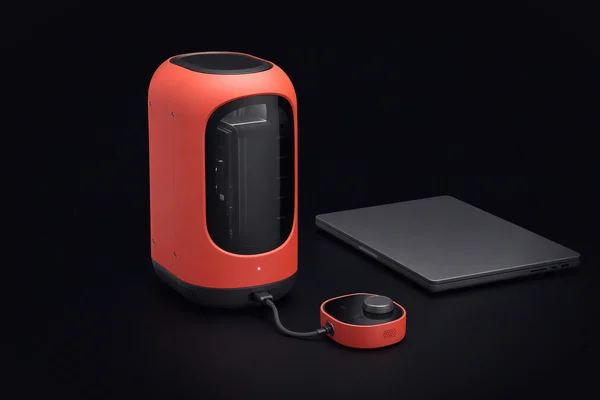
An always-on agent needs a cell, not a laptop
An agent that works for hours cannot live in a session on your laptop. What NVIDIA's Secure Agent Workspace design says about that, and how a KyberCell answers it.
- always-on agents
- KyberCell
- isolation
Notes from building swarms of agents that do the work: plans and sub-agents, the KyberCell each one runs in, the record of every step, and where a swarm should run.
An agent that works for hours cannot live in a session on your laptop. What NVIDIA's Secure Agent Workspace design says about that, and how a KyberCell answers it.
Two sub-agents return contradictory results and the planner must pick one. Why a vote is the wrong tool, what evidence on a claim means, and when the question goes to you.
A long task without a budget runs until the money or the patience ends. What a budget per task covers, what the planner does when a share runs out, and how a stop is resumed.
On Android XR an agent runs multi-step tasks on the phone while the glasses watch and listen. Where those steps run, with what rights, and what a KyberCell does differently.
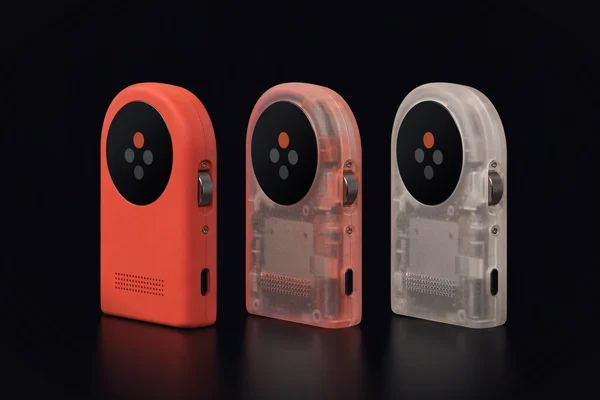
Display glasses such as XREAL Aura turn a glance into the start of a task. How that glance should be handed to a swarm of agents without handing over everything you saw.
One agent on a long job drowns in its own context. A planner, sub-agents with fresh context and one report from each is how long work gets done, and checked.
A shallow agent is a loop of model and tool calls. Depth comes from parts outside the model: a written plan, sub-agents, a file system, memory and skills.
A summary written by the agent that did the work is testimony, not a record. What a trajectory captures, who writes it, and how to tell whether you have one.
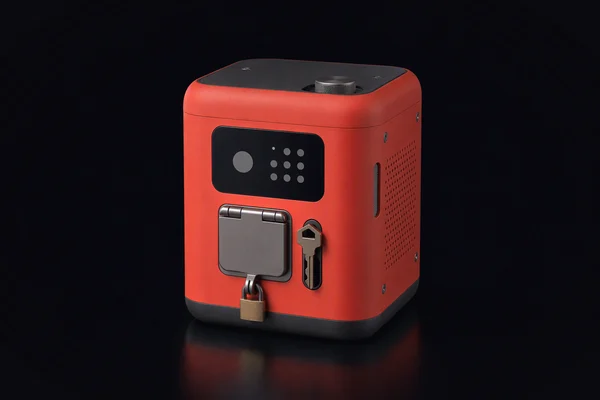
An agent that can run code can run the wrong code. What a KyberCell fixes at creation, how its network and secrets work, and why policy belongs outside the model.
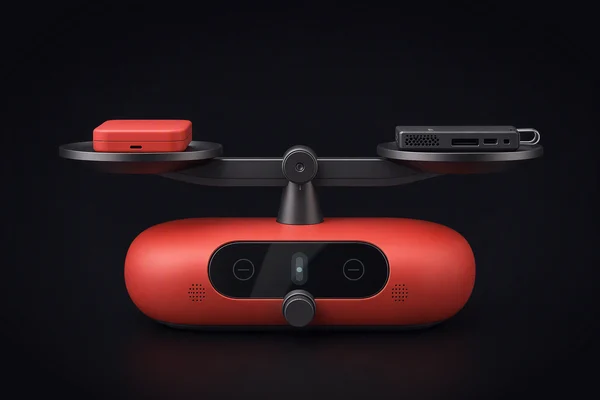
Where a swarm runs is usually decided by a vendor's business model. How to decide per task instead, by privacy, size and urgency, and keep the data where it belongs.
More context makes an agent better informed and no more reliable. Structure is what lets it check a claim, trace a fact and notice it is contradicting itself.
An agent that starts every conversation from zero is a very good stranger. What has to persist, what should decay, and what must never be written down at all.
Connecting a model to your inbox produces a faster way to be asked questions. Agency needs standing goals, its own schedule and the judgement to stay quiet.
The variable most worth regulating in an autonomous agent is its own behaviour. What to measure, what to do when it drifts, and why the agent should act first.
An agent working for you sees more of your life than any other software you run. That is a strange thing to run as a black box, and open source is the only honest answer.