Pre-launch · chapter 3/5 · hands

kyber agent swarm --plan

Many hands, each in its own cell

KyberAgent is how your SI gets work done. A planner writes the job down as a to-do list, sub-agents take one item each with a clean context and bring back one report, and KyberBot asks you before anything sensitive. Every agent runs in a KyberCell: sealed when it is created, network closed unless a rule opens it, every step on the record.

  • A planner, a to-do list, a swarm
  • Every agent in its own KyberCell
  • Any model plugged in
  • Every step on the record
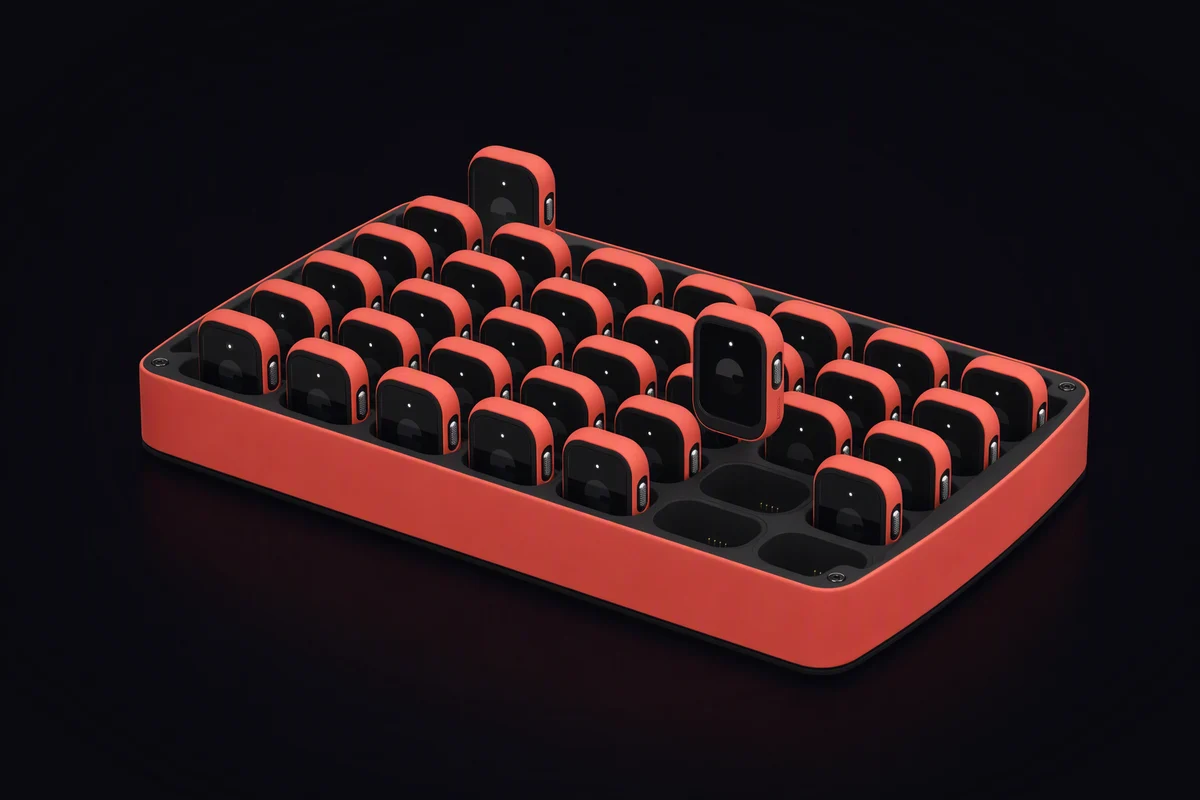
A tray of identical rounded red compute cells standing upright in a grid, each with a small status light, a few lifted slightly out of the tray
The problem

One bot in one chat window cannot carry real work

Three reasons a single agent doing everything at once breaks down on anything longer than a question.

err 01

Its context fills with the past

One agent on a long job carries every page it has read and every dead end it tried. By the second hour the window is crowded with history, the decisions get worse and the bill gets bigger.

err 02

It works with your keys in its pocket

An agent with a shell, your credentials and the open internet is one bad web page away from doing something you never asked for. A sentence in a prompt is a request, not a fence.

err 03

Nobody can say what it did

When something goes wrong there is a chat log and a guess. No list of what ran, what was read, what left the machine and which rule allowed it.

How it works

Plan, split, report

A swarm is three moves, repeated until the list is empty.

  1. 01

    Plan

    KyberBot hands over a goal. The planner writes it down as a to-do list in a file rather than in its head, and revises it in the open as the work teaches it something.

  2. 02

    Split

    Each item goes to a sub-agent with a fresh context and only the files and tools that item needs. It works in its own KyberCell for as long as the job takes.

  3. 03

    Report

    A sub-agent returns one report, not its whole history. The planner ticks the list, KyberBot asks you before anything sensitive, and the answer comes back to you.

What it does

A swarm, documented like a terminal

Each line is a promise about how the agents behave, written the way we intend to document it.

commandwhat it does
kyber agent planTurns a goal into a to-do list in a file the whole swarm can read. The plan is revised where you can see it, never rewritten in silence.
kyber agent spawn --subStarts a sub-agent with a fresh context for one item on the list. It hands back one report and its working files; the scratch work stays behind.
kyber cell create --deny-netSeals a new KyberCell: files and processes fixed at creation, network closed. Each program that needs out gets its own rule, adjustable while the cell runs.
kyber agent skill addGives the swarm a skill: a readable folder of instructions and scripts, loaded only when a task calls for it.
kyber agent ask botStops before anything sensitive and asks KyberBot, which asks you. The agent waits; it does not guess.
kyber agent tracePrints the trajectory: every step, every tool call, every file touched and every connection opened or refused, in order.

Illustrative: the commands describe behaviour. They are not a released CLI.

What is inside

Six parts of a deep agent, all of them readable

The pattern is known. What we add is that every part of it runs on hardware you hold, under rules you can read.

01

A planner with a to-do list

The plan is a file, not a thought. You can read it, change it mid-run, and see which item each sub-agent is working on.

02

Sub-agents with fresh context

Each one takes a single item, starts clean and returns one report, so the planner's own context stays small enough to keep thinking clearly.

03

A virtual file system

Notes, drafts and intermediate results go into files, not into the conversation. Long-running work survives a restart and stays inspectable.

04

Skills

Instructions and scripts packaged as folders and loaded only when a task needs them. Readable, versioned, and yours to write.

05

Any model plugged in

Small models on your deck for the near work, larger ones where you allow. Whichever weights do the thinking, the plan, the cells and the policies stay the same.

06

A homeostat on cost and confidence

Set points for spend, confidence and correction rate. When one drifts, the swarm narrows its own scope and hands more back to KyberBot instead of pressing on.

The system

KyberAgent is the third chapter of KyberFusion

Agents are where the system does the work. KyberBot sends them, KyberLinux holds each one in its cell, and KyberFusion lends power when a deck is not enough.

~/kyber — stack

kyber stack --from you

01KyberDeck · bodyHardware around you, to buy or to build
02KyberBot · trustThe assistant that knows you and runs the rest
03KyberAgent · hands← you are hereSwarms of agents doing the work, each in its own cell
04KyberLinux · groundAn ultralight, secure, open system for SI
05KyberFusion · networkA sovereign cloud owned by the people who use it
↳KYBERIOS · businessThe Kyber stack as one operating system for a small business — built on all five layers, for one job
↳KYBERTIS · servicesThe company that deploys, hardens and supports Kyber, with an SLA — built on all five layers, for one job

One request, end to end

  1. you speak
  2. KyberDeck hears
  3. KyberBot decides, and asks when it matters
  4. KyberAgent swarms do the work
  5. KyberLinux keeps each agent in its cell
  6. KyberFusion lends power, paid in tokens
  7. the answer comes back to you

Your data stays yours at every step: a sub-agent sees only what its item needs, and nothing leaves its cell unless a rule you can read says so. Tokens settle compute between members; they are not an investment, and this is not an offer.

The cell

Every agent works in a sealed room

An agent that can run code can run the wrong code, so none of them runs loose. Each gets a KyberCell: an isolated sandbox on KyberLinux whose files and processes are fixed when it is created, with the network closed until a rule opens it. The policies live in the cell, outside the model, where no conversation can argue them away.

  • Fixed at creation: the programs and files a cell starts with are the ones it has. Nothing installs itself halfway through.
  • Network closed by default, opened per program by rules you can read and change while the cell runs.
  • Secrets injected at the endpoint: a key is added only where an authorised call leaves the cell, so the agent never holds it.
  • Every step a trajectory: what ran, what was read, what went out, in order.
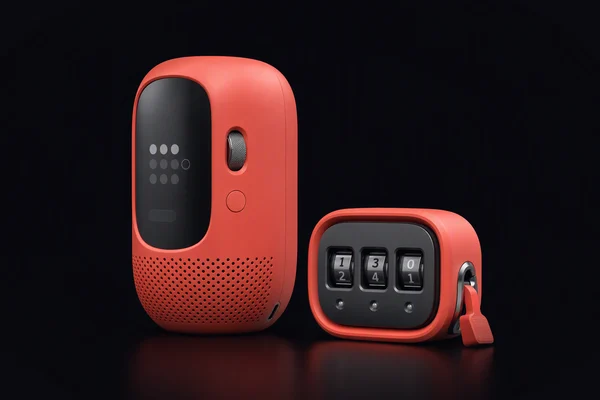
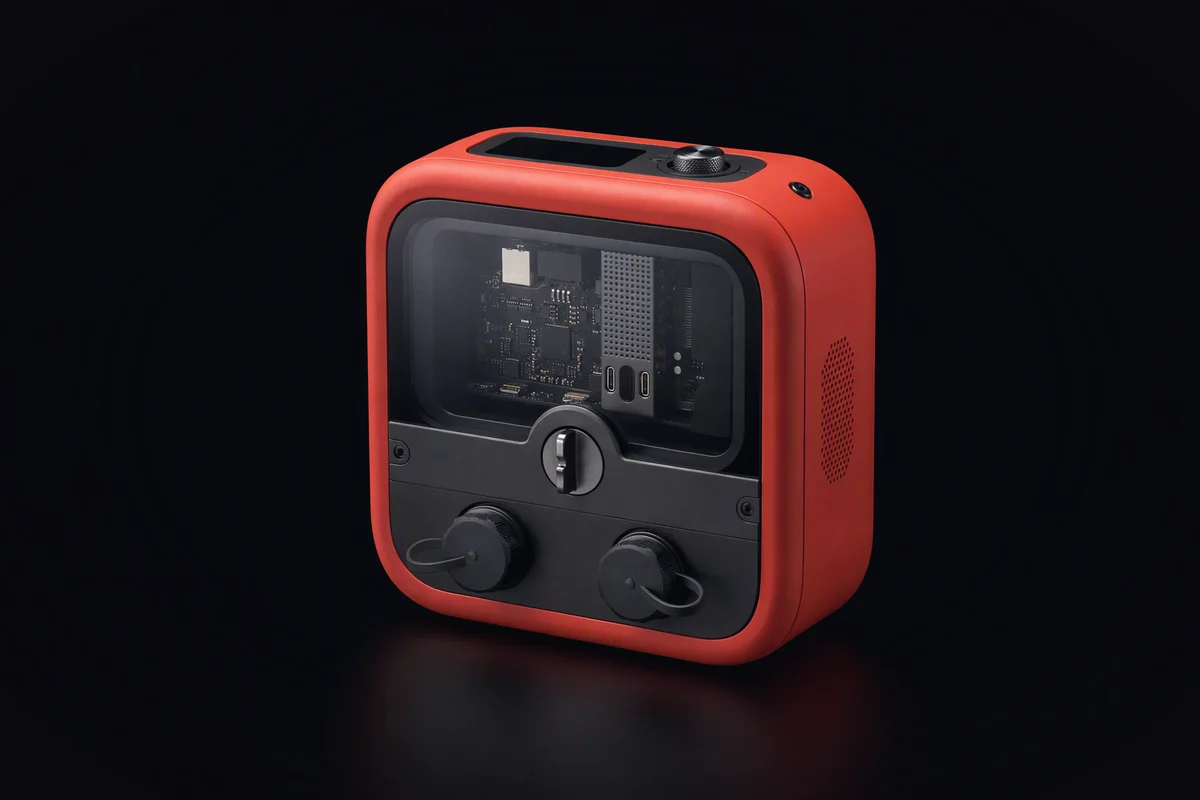
A single sealed red compute cell with a smoked-glass window showing a circuit board inside, a recessed lock plate and two capped ports
The plan

A plan you can read, and a dial you can turn

Long work fails when nobody can see the plan. In KyberAgent the plan is a file, the swarm reports against it, and a homeostat watches cost, confidence and how often its work gets corrected. When one of them leaves its range, the swarm slows down and asks rather than spending its way through.

  • The plan is a to-do list in a file, readable mid-run and editable by you or by KyberBot.
  • A human in the loop through KyberBot: anything sensitive stops and waits for a yes.
  • Out of range, it narrows its scope: fewer sub-agents, smaller steps, more questions.
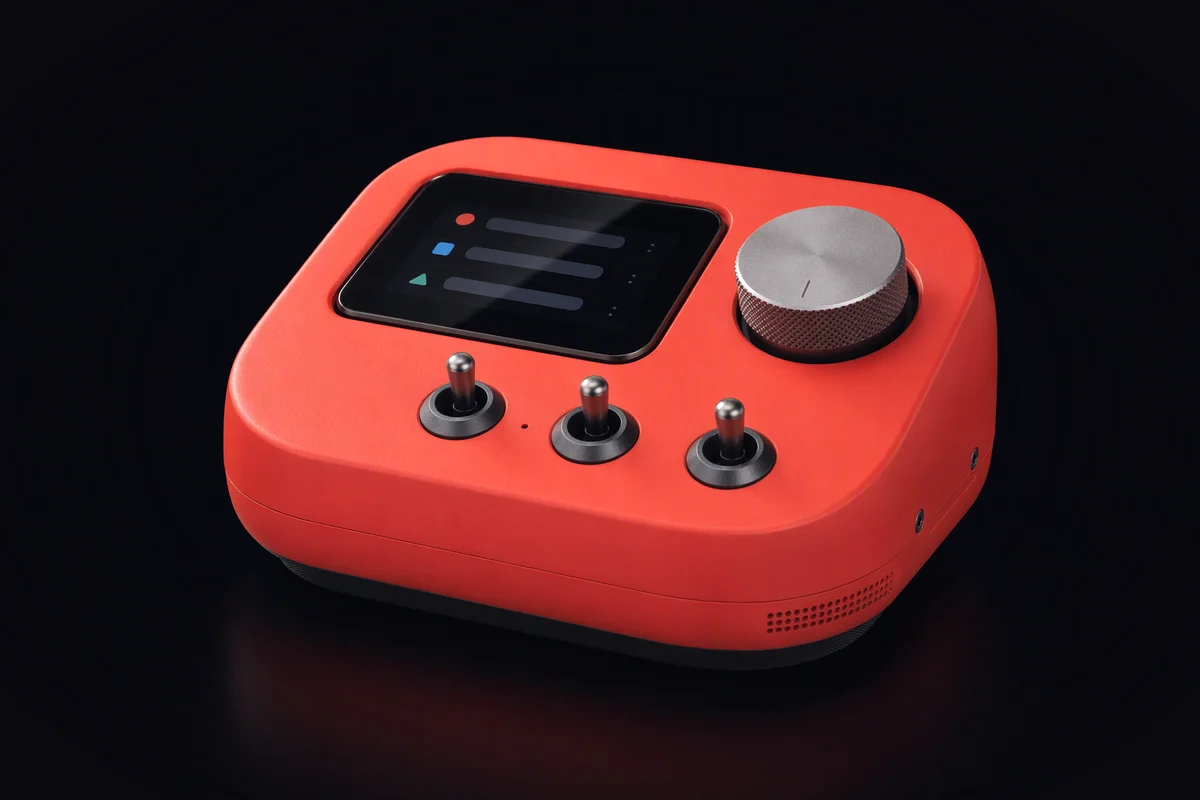
A red rounded desktop control unit with a small screen listing task bars, a large knurled aluminium dial and three toggle switches in a row
Limits

What KyberAgent does not do

Something that works on your behalf earns trust by saying plainly where its edges are.

  • It is not released yet. No repository, no install command and no hosted service. The commands on this page are illustrative.
  • It is not your assistant. KyberBot knows you and decides. KyberAgent does the work it is handed and keeps nothing about you beyond what the task needed.
  • It does not act on anything sensitive without a yes. Payments, messages in your name, deletions: the swarm stops and KyberBot asks you.
  • It does not leave its cell. No agent gets the open internet or your keys by default; every way out is a rule you can read.
  • It is not a super intelligence. SI is what the system is built to carry. A swarm of today's models is useful, fallible, and on the record.
Where we are

Nothing to install yet, so here is the honest state of the work

KyberAgent is pre-launch. The repository opens when there is something in it worth reading.

  1. Now

    The planner, sub-agents and the cell

    The deep-agent loop running inside KyberCells on KyberLinux, tested against real long-running tasks rather than a benchmark.

  2. Next

    Private alpha with KyberBot

    A small group sending real work from KyberBot to swarms on their own hardware, while the policy language and the trajectory format take their final shape.

  3. Later

    Open repository and specification

    Source, the cell specification, the policy language and the trajectory format published together, so the whole thing can be audited and forked.

FAQ

Frequently asked questions

What is KyberAgent in one sentence?

KyberAgent is the swarm of agents your SI sends to do the work — a planner with a to-do list and sub-agents with fresh context that each return one report — with every agent sealed in a KyberCell and every step on the record.

What does SI mean here?

Super Intelligence. Most of the industry still calls it by an older name, which the footer of every page spells out. We say SI because of what is coming, and because of whom we think it should belong to: the people who use it, not the companies that rent it out.

What is a KyberCell?

An isolated sandbox for one agent. Its files and processes are fixed when it is created, its network is closed unless a per-program rule opens it, secrets are injected only at the endpoint they are authorised for, and every step is logged as a trajectory. KyberLinux provides the isolation.

Why a swarm and not one big agent?

Because context is the scarce resource. A planner that hands each item to a sub-agent with a fresh context, and gets back one report, stays clear-headed on work that would drown a single agent. Each sub-agent also gets only the files and permissions its own item needs.

Where does it run, and on which model?

On KyberLinux, locally on a KyberDeck or in KyberFusion when the work outgrows your hardware. Any model can be plugged in: small ones on the deck, larger ones where you allow. The plan, the cells and the policies stay the same whatever does the thinking.

How does it fit with the other Kyber projects?

KyberAgent is the hands. KyberDeck is the hardware you hold, KyberBot is the assistant that knows you and sends the work, KyberLinux is the system that keeps each agent in its cell, and KyberFusion is the sovereign cloud that lends power when a deck is not enough — owned by the people who use it.

Can a company run its processes on KyberAgent?

That is what KYBERIOS is for: the branch of the Kyber stack for small businesses, where swarms run orders, invoices and stock in KyberCells under the company's own policies.

Chapter 3/5 · Hands

Chapter three: hands

An assistant that only talks is a good adviser. The moment it has to do something — read four hundred pages, compare three suppliers, fix a build at two in the morning — it needs hands, and hands are where trust gets spent. Until now the answer has been one model, one endless conversation and your keys in its pocket.

Our answer is many hands, each in a room of its own. A planner that writes the work down, sub-agents that start clean and report once, a cell around every one of them with the door shut until you open it, and a record of every step. Work you can delegate should be work you can read afterwards.

A cell is only as strong as the floor it stands on. Underneath every agent is a system built for exactly this, small, verified and the same everywhere, and that is the next chapter.
Read the whole manifesto ↗

Blog

Notes from the swarm

All articles

Be there when the first swarm runs

The waitlist goes live soon. Until then, the blog is where the design gets argued.

No form yet, no data collected — just come back.